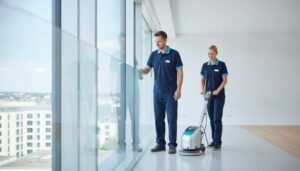
A clean-looking surface can still hold dirt and food particles that support germ growth. Regular cleaning for a healthier home removes this residue and helps limit opportunities for germs to spread between household surfaces.
Cleaning is often seen mainly as a way to keep rooms looking neat. But where food residue and everyday grime collect, thorough surface cleaning also supports hygiene. It helps address household bacteria and cross-contamination without suggesting a home can be made completely germ-free.
This article explains how cleaning can support a healthier home, which surfaces and habits matter when limiting the spread of germs, and how removing food particles and dirt contributes to cleaner surroundings. It also explains why product labels and good ventilation matter. You’ll learn what professional residential cleaning can address and when a more thorough clean may be useful.
Key Takeaways
- Learn how removing dust and household allergens can support a cleaner, more comfortable home.
- See how everyday habits and shared surfaces can contribute to cross-contamination.
- Understand why product labels and ventilation matter when cleaning indoors.
- Find out how professional cleaning can remove dirt and food residue from household surfaces.
How Does A Clean Home Keep You Healthy?
A clean home supports indoor comfort by reducing dust, allergens, and residue. Professional cleaning routines focus on dust-collecting areas and adapt to how each room is used.
Professional Cleaning Routines for Indoor Air
Professional cleaning removes settled dust from fans, ledges, floors, and furnishings. Because particles can resettle across rooms, including on bedding and frequently used surfaces, a systematic routine starts with elevated areas before moving to lower ones. This helps collect loosened dust rather than leaving it on cleaned floors. Ceiling fan blades also benefit from monthly attention to limit dust circulation. For household textiles and garments that absorb airborne dust, services like The Laundry Hub offer professional cleaning and steam pressing to keep fabrics hygienic and well maintained.
Professional Vacuuming and Indoor Air Quality
Methodical vacuuming across carpets and rugs collects embedded dust, pet dander, and loose debris. Removing particles from floor coverings can reduce what gets stirred into the air during everyday movement. Weekly vacuuming is a useful routine, with more frequent attention when children or pets live in the home. Prioritise entryways, living areas, and places where pets rest.
How Professional Cleaning Can Reduce Indoor Allergens
Indoor allergen reduction combines dust removal with attention to bedding and pet-contact areas. Pet dander and dust mites can contribute to respiratory symptoms in sensitive people, so cleaning these reservoirs may improve comfort. For homes with babies, asthma, allergies, or pets, professionals can prioritize the rooms, fabrics, and surfaces most affected by household routines. According to the U.S. Environmental Protection Agency, people with allergies should wash bedding in hot (130oF) water.
How Often Should Professionals Clean Home Surfaces?
Set cleaning frequency according to how each space is used, how quickly soil builds up, and who lives there. Clean kitchen surfaces after food preparation and spills, and give frequently touched and wet bathroom surfaces regular attention. Busy entryway floors may need more frequent cleaning than lightly used rooms. Include shelves and furnishings in a rotation that reflects dust buildup and household activity.
Reducing household bacteria and cross-contamination
Cross-contamination happens when microorganisms move between hands, objects, food, and household surfaces. A phone, reusable shopping bag, or cleaning cloth can carry residue from one setting into another. A University of Arizona study found that an average cellphone has 10 times more germs than a toilet seat. Wiping phones weekly is ideal, with monthly cleaning as a minimum recommendation.
Reusable grocery bags pass through shopping carts, car trunks, and kitchen areas. They can pick up bacteria from public surfaces or raw food and transfer it to counters. Washing or wiping bags regularly helps limit this route of contamination. Handwashing also helps prevent the spread of microorganisms that cause many common illnesses, especially after handling groceries or cleaning tools.
Cleaning equipment needs attention too. Disinfect reusable tools monthly, and discard items that are worn beyond effective use. Washing machine detergent drawers and rubber gaskets also benefit from monthly cleaning, which can help prevent odors and contamination. Trash liners may be changed every week, but residue can remain on the lid and inner rim. Clean those areas about once a month with hot, soapy water.
Product use affects indoor air as well as surface hygiene. The U.S. Environmental Protection Agency recommends ventilation when using products that emit volatile organic compounds (VOCs), along with following label precautions. Ventilation helps limit exposure to airborne irritants during cleaning. Product labels explain safe-use precautions, so follow them as part of a careful routine.
Housework can also add light physical activity to the day. The American Heart Association recommends cleaning as one way to get active, and light exercise involved in cleaning can benefit heart health. A systematic approach to these tasks supports cleaner shared surfaces while adding movement. For households that need consistent upkeep, professional cleaning routines can help address frequently used areas.

Safe and effective use of cleaning products
In Luxembourg homes, use each cleaner according to its label, including its safety and ventilation directions. Instructions vary, so don’t apply one cleaner’s directions to another.
Safe use also depends on the room, the surface, and who may enter while cleaning is underway. A tidy space can support focus, but cleaning products still need to be handled carefully.
How Professionals Handle Ventilation and Product Precautions
Ventilation means bringing fresh air into a room while using products that emit volatile organic compounds (VOCs). This helps limit the buildup of airborne product emissions during cleaning. Follow the product’s label precautions and ventilate as directed. For example, a closed bathroom or kitchen may need airflow while a product is in use, according to its label.
Labels also help match a product to its intended use. A surface cleaner’s directions guide how it should be applied and what precautions matter during use. In a home with children or pets, professionals can account for room access and keep them away from the immediate cleaning area while following product instructions.
Risks of Mixing Cleaning Products
Avoid combining separate household cleaning products unless their labels explicitly direct it. Ingredients and directions differ, and mixing products can create avoidable exposure risks. Use each product according to its own instructions rather than assuming two cleaners work safely together. When changing products, follow the relevant label precautions.
Product choices are only one part of a healthy indoor routine. Orderly spaces may help people make better decisions and experience less emotional exhaustion and job-related stress. Keeping supplies organised and work areas clear also makes it easier to follow product labels, avoid confusing containers, and keep products away from food-preparation surfaces. A measured routine supports careful handling and a more orderly home.
How Professional Cleaning Removes Dirt and Food Particles from Surfaces
Food residue and ordinary dirt collect on kitchen counters, dining tables, floors, and other frequently used surfaces. Regular cleaning removes particles on which germs can grow. A central part of cleaning for a healthier home is covering the whole area: crumbs can remain around a counter’s edge, beneath a small appliance, or on the table where food is served, even when the centre looks spotless.
Professional cleaning addresses surfaces according to their use and the soil present. In a kitchen, this means focusing on food-preparation areas, cupboard fronts, handles, and floors beneath counters. In a dining space, table edges and chair seats can collect crumbs. A systematic clean includes overlooked corners as well as the more visible areas.
Cleaning in the right order matters. Work through a room methodically, addressing higher surfaces before lower ones and clearing visible debris before finishing the floor. This helps prevent loosened particles from settling onto areas that are already clean. For example, collect crumbs beneath a table after addressing surrounding surfaces, then give the floor focused attention.
Different surfaces need care suited to their material and condition. A kitchen counter, dining table, and hard floor may each call for a different approach. Pay particular attention to food spills, since residue can remain around seams, corners, or appliance edges. Cleaning for a healthier home means covering the full working area, not just wiping the centre of a surface.
When buildup has spread across several rooms, a professional deep clean can give neglected surfaces focused attention. Arrange a thorough professional clean to address dirt and food particles throughout your home.
Deepclean Services
Deepclean Services helps households maintain cleaner living spaces with professional residential cleaning. Regular Cleaning can support ongoing upkeep, while One-Time Basic Cleaning or Deep Cleaning suits a home that needs focused attention. Moving In / Out Cleaning is available when a household transition calls for a thorough reset.
Choose a service according to your home’s condition and the level of support you need. Regular professional cleaning can help keep commonly used rooms and surfaces cleaner, while a one-time service can address a specific need.
Contact Deepclean Services to discuss professional cleaning for your home.
Make a Healthier Home Easier to Maintain
A sustainable approach to cleaning for a healthier home starts with choosing support that fits your household’s routine. Consider which rooms need regular attention, where dirt tends to accumulate, and whether you need ongoing help or a more thorough reset. Clear priorities make it easier to plan cleaning around daily life. For comprehensive property maintenance that extends beyond indoor living areas, specialized exterior soft-washing services from providers like No Pressure Power Washing can safely eliminate buildup on delicate surfaces such as roofs.
Professional cleaning can take recurring tasks off your schedule and leave more time for other responsibilities. Deepclean Services offers Regular Cleaning, One-Time Basic Cleaning, and Deep Cleaning, so you can choose a level of support that suits your home. Consider which areas you want addressed and how often you need professional help.
Start with the cleaning needs that matter most to your household. Contact Deepclean Services today to discuss a suitable next step. A considered plan can help make a clean, well-kept home easier to maintain.
Frequently Asked Questions
How can professional cleaning support better indoor air quality and health?
Professional cleaning can reduce dust and indoor allergens that may affect comfort and respiratory symptoms in sensitive people. For example, cleaning dust from surfaces and vacuuming carpets removes some particles that could otherwise be stirred up through daily activity. This supports a cleaner indoor environment, but it doesn’t remove outdoor pollen or eliminate every source of indoor air pollution.
How do professional cleaners choose products that are safer for people, pets, and the environment?
Choose products according to the surface, the task, and the precautions on each label. In rooms used by people or pets, lower-VOC products may help limit emissions that affect indoor air. Follow the label’s directions for safe use. Don’t assume a product suits every material or purpose simply because it is marketed as gentle.
How can professional cleaning help reduce dust, allergens, mold, and indoor air pollution at home?
Cleaning removes settled dust and particles such as pet dander from household surfaces and floor coverings. This may help sensitive people manage indoor allergen exposure, although cleaning alone cannot remove outdoor pollen. Visible mould calls for a different response from routine dusting. Deepclean Services offers Mould Removal, addressing mould separately from general surface buildup.
How can professionals clean and disinfect safely without overusing chemicals?
Professionals can focus on visible soil and food residue, then use a cleaning product where the task calls for it. Cleaning and disinfection are not interchangeable: routine dirt removal does not automatically require disinfecting every surface. Follow each product’s label for directions and precautions. Avoid combining cleaners unless their labels explicitly direct it.
What ventilation and protective equipment do professional cleaners use?
Ventilation and protective measures depend on the product label and the cleaning task. For products that emit volatile organic compounds, the U.S. Environmental Protection Agency recommends ventilation and following label precautions. A mask can help protect against inhaling indoor irritants while cleaning. Use the label to guide precautions for the specific product, and match equipment and airflow to the work.