A clean office is noticed most when it is missing. The break room starts to smell, fingerprints build up on glass doors, restroom supplies run low, and employees quietly avoid shared spaces. Knowing how to maintain office hygiene means preventing these problems before they affect comfort, attendance, or the impression your business makes on visitors.
Good office hygiene is not about making every surface look perfect for one day. It is about setting a reliable routine that keeps workspaces clean, fresh, and ready for the people who use them. The right plan depends on your office size, foot traffic, business hours, and the number of shared facilities, but a few practical standards apply almost everywhere.
How to Maintain Office Hygiene With a Clear Schedule
The simplest way to keep standards high is to divide cleaning into daily, weekly, and periodic tasks. When everything is treated as an occasional job, important areas are missed. A clear schedule also makes it easier to see whether the office needs more frequent service during busy periods.
Daily cleaning keeps germs and mess under control
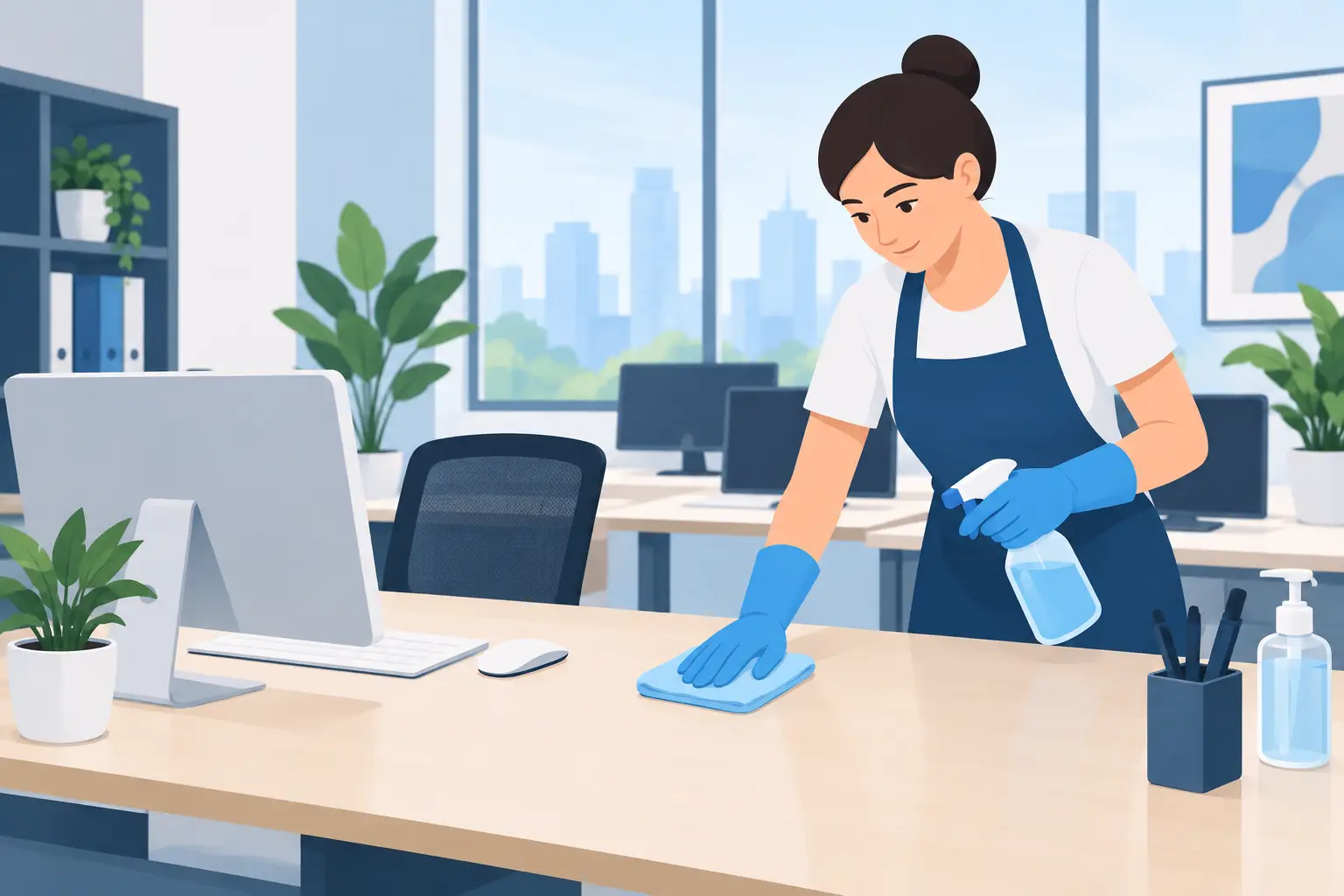
Daily attention should go to the areas people touch and share most often. Clean and disinfect high-contact surfaces such as door handles, elevator buttons, light switches, reception counters, shared keyboards, printer controls, and meeting-room tables. Cleaning removes visible dirt and residue. Disinfecting, when appropriate for the surface, helps reduce germs left behind after cleaning.
Restrooms need daily service at a minimum in most workplaces. Toilets, sinks, faucets, dispensers, mirrors, floors, and waste bins should be cleaned, while soap, paper towels, and toilet paper should be checked and restocked. In offices with heavy visitor traffic, restroom checks may be needed more than once a day.
Empty waste bins before they overflow, especially in kitchens, restrooms, and areas where food is consumed. A full trash can can quickly create odors and make an otherwise clean office feel neglected.
Weekly cleaning restores the whole workspace
Weekly work should go beyond touchpoints. Vacuum carpets and entrance mats thoroughly, mop hard floors, dust accessible surfaces, clean glass partitions, and wipe down chairs, cabinet fronts, and window ledges. Meeting rooms deserve extra attention because they are used by many different people throughout the week.
This is also a good time to clean shared equipment more carefully. Printers, phones, headsets, coffee machines, microwaves, refrigerator handles, and water dispensers collect fingerprints, spills, and dust even when they appear clean at first glance.
Periodic deep cleaning handles what routine cleaning misses
Some tasks do not need daily attention, but they should not be forgotten. Carpet cleaning, upholstery cleaning, interior window cleaning, high dusting, and detailed kitchen cleaning are usually planned monthly, quarterly, or as needed. The correct frequency depends on use. A client-facing office with carpeted floors may need more regular deep cleaning than a small office where most employees work remotely.
Start With High-Touch Surfaces
Not every surface carries the same hygiene risk. A storage shelf that no one touches can wait. A door handle used by fifty people before lunch cannot. Focusing first on high-touch areas makes your cleaning time more effective and helps protect the people who share the space.
Create a simple checklist for reception, workstations, conference rooms, kitchens, and restrooms. The goal is consistency, not complexity. If your team uses hot desks, clean the desk surface, chair arms, keyboard, mouse, and monitor stand between users or at the end of each day.
Be careful with electronics. Use products designed for screens and equipment, and avoid spraying liquid directly onto keyboards, monitors, or power controls. A clean microfiber cloth used correctly can remove dust and marks without damaging sensitive surfaces.
Keep Break Rooms and Restrooms Fresh
These are the spaces where office hygiene becomes most visible. A clean desk is useful, but an untidy break room or poorly maintained restroom can affect the whole workplace experience.
In the break room, wipe counters after food preparation, clean the sink, remove food spills quickly, and empty the refrigerator regularly. Old lunches, leaking containers, and crumbs behind appliances create odors and can attract pests. Set a clear policy for labeling food and removing personal items at the end of the week.
Restrooms should always feel clean, dry, and stocked. Pay close attention to faucet handles, flush buttons, dispenser fronts, door locks, and floor corners. These details matter because they show whether cleaning has been done thoroughly rather than rushed.
Ventilation matters as well. If a restroom or kitchen stays damp, odors and mold can develop. Report leaks, poor airflow, and damaged sealant quickly. Cleaning is more effective when maintenance problems are fixed instead of repeatedly covered up.
Make Hygiene Everyone’s Responsibility
A professional cleaning crew can maintain high standards, but employees still shape the condition of the office between visits. The most successful offices make basic hygiene easy to follow without turning it into a burden.
Provide hand soap, hand sanitizer where it makes sense, paper towels, lined waste bins, and cleaning wipes for small spills. Put these supplies where people need them, not in a locked cabinet across the building. When supplies are visible and available, people are more likely to clean up after themselves.
Set reasonable expectations for workstations. Employees should clear food waste, wash used mugs, report spills, and avoid leaving personal items on shared desks. Managers should follow the same rules. A clean workplace culture starts with visible habits, not reminder emails alone.
Do Not Ignore Floors, Air, and Clutter
Floors carry in dirt, moisture, salt, and debris from outside. Entry mats help, but they only work when they are vacuumed and cleaned regularly. During wet weather, increase checks around entrances to reduce slip risks and prevent grime from being tracked through the office.
Carpets can hold dust, allergens, and odors over time. Routine vacuuming keeps them presentable, while professional carpet cleaning removes embedded dirt that ordinary equipment may leave behind. Hard floors also need the right cleaning method. Too much water can damage some materials, while the wrong product may leave a slippery film.
Clutter is a hygiene issue as well as an organization issue. Stacks of boxes, old paperwork, and crowded storage areas trap dust and make proper cleaning difficult. Keep walkways clear and store supplies in a way that allows floors, corners, and walls to be reached.
Know When to Call a Professional Cleaning Team
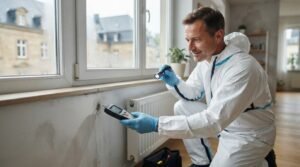
In-house routines are useful for daily upkeep, but they have limits. If carpets are stained, upholstery smells stale, restrooms need intensive cleaning, or an office has mold concerns, specialized equipment and trained cleaners can make a clear difference. This is especially true after a move, renovation, illness outbreak, water leak, or period of heavy office use.
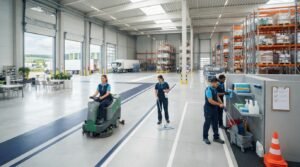
A professional team can also build a schedule around your business hours, so cleaning does not interrupt staff or visitors. For offices that need dependable recurring care, Deepclean Services can handle routine workplace cleaning as well as detailed work on carpets, furniture, windows, and difficult areas that need extra attention.
Keep a record of recurring issues, such as overflowing bins, persistent odors, dusty vents, or stained flooring. These patterns help you adjust the cleaning plan before small problems become expensive or unpleasant.
A clean and fresh office gives employees a more comfortable place to work and gives visitors confidence from the moment they walk in. Start with a schedule your team can maintain, pay attention to the spaces people share most, and increase support whenever the office needs more than a quick wipe-down.