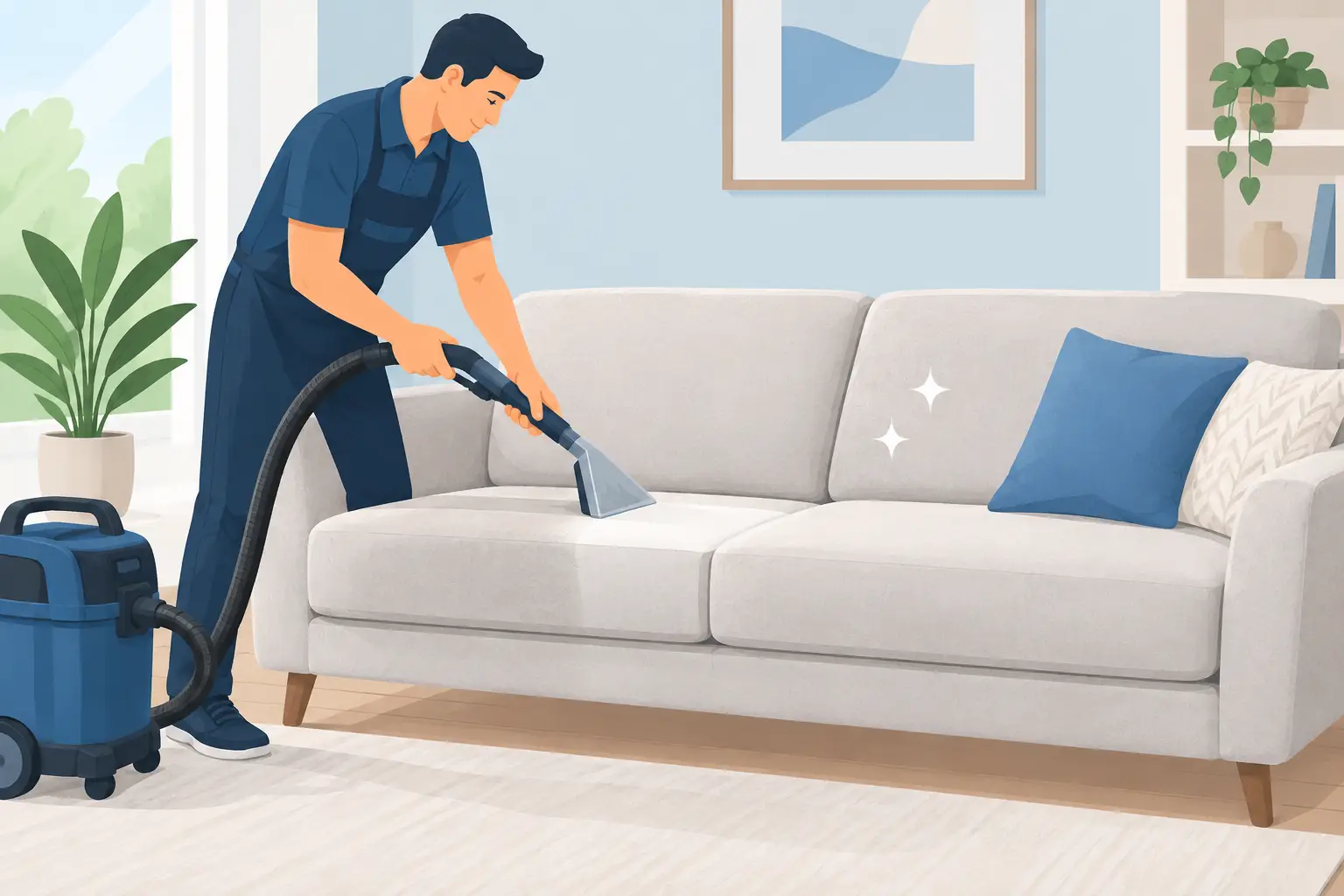
A sofa can look perfectly fine from across the room while holding weeks of dust, food crumbs, pet hair, body oils, and everyday odors in its fabric. Professional upholstery cleaning reaches the dirt that regular vacuuming and surface spot treatment leave behind, so the furniture people use most can feel clean and fresh again.
For busy households, rental properties, and workplaces, this is not only about appearance. Clean furniture supports a more comfortable space for family, guests, customers, and employees. It can also help extend the useful life of upholstered pieces that would be expensive to replace.
Why Upholstery Gets Dirty Faster Than You Think
Upholstered furniture works hard every day. Sofas collect dust from the air, residue from clothing, skin oils, and crumbs that settle into seams and cushions. Dining chairs pick up food spills. Office chairs absorb daily use from different people throughout the week. If there are pets or young children in the home, the buildup can happen even faster.
The fabric may not show every problem immediately. Light-colored upholstery often reveals marks quickly, but dark fabrics can hold a surprising amount of dust and residue before they start to look dull. Odors are another sign. A room may feel less fresh even after the floors have been cleaned because the source is sitting in the sofa, armchair, or fabric headboard.
Vacuuming upholstery helps remove loose debris, especially around buttons, edges, and cushion gaps. It does not usually remove embedded soil, old stains, or the oils that cling to fabric fibers. That deeper buildup is where the right cleaning method makes a visible difference.
When Upholstery Cleaning Is Worth Scheduling
There is no single schedule that fits every piece of furniture. A rarely used accent chair may only need professional attention occasionally. A family sofa, reception-area seating, or a set of office chairs can need cleaning far more often.
For most homes, arranging a thorough service every 12 to 18 months is a sensible starting point. Consider more frequent cleaning when furniture is used heavily, pets sleep on it, someone in the household has allergies, or spills and odors are becoming difficult to manage. Commercial seating may need regular cleaning as part of a wider workplace maintenance plan, particularly in waiting rooms, shared offices, schools, and customer-facing spaces.
It is also smart to schedule service before a major occasion rather than after one. Cleaning furniture before guests arrive, before a move, or when preparing a rental property gives the room a noticeably more cared-for appearance. For landlords and tenants, fresh upholstery can make a property feel better maintained during inspections or handovers.
How Professional Upholstery Cleaning Works
A good result starts with checking the furniture, not immediately applying water or cleaning solution. Upholstery can be made from cotton, linen, microfiber, velvet, wool blends, synthetic fibers, leather, and mixed materials. Each fabric reacts differently to moisture, agitation, and stain treatments.
Fabric Assessment Comes First
A trained cleaner identifies the fabric type, checks care labels where available, and looks for pre-existing wear, fading, or damage. This step matters because the strongest method is not always the safest one. Delicate fibers may require low-moisture cleaning, while durable synthetic fabrics can often handle deeper extraction.
The cleaner should also identify problem areas such as armrests, seat cushions, headrests, pet spots, makeup marks, coffee spills, and old stains. Honest expectations are part of professional service. Many stains can be improved significantly, but a long-set dye, bleach mark, or fabric damage cannot always be fully reversed.
Deep Cleaning Removes What Is Below the Surface
After loose debris is removed, the cleaning team applies suitable products to loosen soil and treat stains. Commercial-grade equipment then lifts dirt, residues, and moisture from the upholstery without soaking the furniture unnecessarily.
The goal is not simply to make the fabric smell stronger or look wet-cleaned for a few hours. Proper cleaning removes the buildup causing the dull color, sticky feel, and trapped odor. When the method is matched to the material, furniture can look brighter, feel more comfortable, and dry within a practical timeframe.
Drying time depends on the fabric, room temperature, airflow, humidity, and the cleaning method used. Opening windows when weather allows, using ventilation, and avoiding use until the fabric is dry can help. A reliable cleaning team will explain what to expect before leaving the property.
Common Upholstery Problems and What to Do
Fresh spills should be dealt with quickly, but gently. Blot the area with a clean, absorbent cloth rather than rubbing it. Rubbing can push the spill deeper into the fibers and spread it across a larger section. Avoid using several household products at once, since mixing cleaners can leave residue, affect color, or make later professional treatment harder.
Grease, red wine, ink, pet accidents, and makeup often need different treatment methods. An internet tip that works on one fabric can damage another. This is especially true for velvet, wool, silk blends, and furniture with delicate or textured finishes.
Odors also need more than a perfume spray. Pet odor, smoke, food smells, and dampness can settle below the fabric surface. A professional service focuses on removing the source as far as possible instead of covering it with fragrance. If moisture, mold, or mildew is involved, the underlying cause must be addressed too. Cleaning alone cannot solve a recurring dampness problem caused by poor ventilation, leaks, or water damage.
Keep Furniture Cleaner Between Appointments
Small habits can make professional results last longer. Vacuum sofas and chairs regularly with an upholstery attachment, paying attention to seams and under removable cushions. Rotate and fluff cushions if the manufacturer allows it, so everyday wear is spread more evenly.
Use throws or washable covers on the sections that get the most use, especially when pets are allowed on furniture. Keep food and strongly colored drinks away from fabric seating where possible. If a spill happens, blot it promptly and let the area dry fully.
Sunlight deserves attention too. Natural light makes a room feel welcoming, but constant direct sun can fade upholstery over time. Curtains, blinds, or rearranging furniture slightly can reduce uneven fading on one arm or cushion.
For workplaces, assign upholstery care to the regular cleaning plan rather than waiting until chairs look visibly dirty. Reception seating and shared desk chairs create a first impression. Clean, well-kept furniture tells clients and employees that the space is cared for.
Choosing the Right Cleaning Service
Price matters, but the lowest quote is not always the best value if it does not include the right equipment, fabric assessment, or proper stain treatment. Ask what type of upholstery the team can clean, how they handle delicate materials, and whether drying expectations will be explained clearly.
Look for trained staff, dependable arrival times, and a service that treats your furniture with care. Sustainable cleaning methods can also be a sensible choice for homes with children, pets, and people sensitive to strong chemical smells. The best service should leave the room feeling fresher without creating unnecessary disruption.
Deepclean Services approaches furniture cleaning as part of a cleaner, more comfortable home or workplace. From a favorite family sofa to heavily used office seating, the focus is on practical care, professional equipment, and results you can see.
Your furniture supports everyday life – movie nights, quick lunches, meetings, visitors, and quiet moments at home. Giving it proper care is a simple way to make the whole room feel cleaner and more inviting.