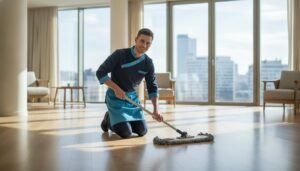
A carpet can look clean from the doorway while holding weeks of tracked-in dust, pet hair, grit, and small spills deep in its fibers. The best carpet care methods are not complicated, but they do require consistency. A few practical habits can keep carpets fresher between professional appointments, protect their texture, and help your home or workplace feel genuinely clean.
Carpet is a hardworking surface. It softens a room, reduces noise, and makes a space more comfortable, but it also catches what shoes, paws, and everyday life bring indoors. Treating stains quickly and cleaning on the right schedule is far easier than trying to restore a heavily soiled carpet later.
Best Carpet Care Methods for Everyday Results
The first goal is simple: prevent dirt from settling into the carpet. Dry soil may seem harmless, but every footstep presses fine grit deeper into the pile. Over time, that grit can make fibers look dull, feel rough, and wear down faster in busy areas.
Vacuuming is the most effective routine task you can do. In high-traffic spaces such as entryways, hallways, living rooms, offices, and reception areas, vacuum two or three times a week. Bedrooms and low-use rooms may only need weekly vacuuming. Move slowly enough for the vacuum to lift embedded dust instead of making one fast pass over the surface.
Use the right vacuum setting for the carpet type. A thick pile usually needs a higher setting so the machine can move without pulling hard on the fibers. Low-pile carpet often benefits from a lower setting and a brush roll that can collect debris near the base. If the vacuum is difficult to push, the setting is probably too low.
Do not forget edges, baseboards, corners, and the area beneath furniture. Dust gathers there even when the center of the room looks tidy. A crevice tool and occasional furniture moving can make a noticeable difference, especially before guests arrive, during a move-out clean, or before a deeper carpet treatment.
Stop Outdoor Dirt at the Door
Most carpet dirt comes in from outside. A sturdy doormat at every entrance gives people a place to wipe their shoes before stepping onto carpet. For homes with children or pets, a shoes-off routine can reduce cleaning work even further. In an office or commercial property, entrance mats should be vacuumed and cleaned regularly so they continue trapping moisture and grit rather than spreading it inside.
Area rugs are useful in the places that take the most wear, including hallways, beneath dining tables, and near sofas. They protect the carpet underneath, but they need regular vacuuming and cleaning too. Rotate rugs occasionally so sunlight and foot traffic do not fade or flatten one section of carpet more than another.
Treat Spills Before They Become Stains
A fresh spill is a manageable problem. An old stain is a guessing game. The key is to act quickly without rubbing the spill farther into the carpet.
Start by blotting the area with a clean white cloth or paper towel. Press down firmly, lift, and repeat. Do not scrub back and forth. Scrubbing frays carpet fibers and can spread the stain into a wider patch.
For many water-based spills, use a small amount of cool water and continue blotting. Work from the outside edge toward the center to avoid making the mark larger. Avoid soaking the carpet, because excess water can reach the backing or pad and leave behind odors.
Different stains need different care. Coffee, juice, wine, grease, ink, pet accidents, and makeup do not respond to one universal cleaner. Before using any product, test it on a hidden area of carpet. Strong chemicals, bleach, and overly wet home remedies can fade color, damage fibers, or leave a sticky residue that attracts even more dirt.
For pet accidents, remove as much moisture as possible right away. An enzyme-based cleaner can help break down odor-causing residue, but it must be used according to the label and allowed enough contact time to work. If the smell keeps returning, the liquid may have reached the carpet padding. That is usually the point where professional treatment is the more reliable choice.
When a Stain Needs Professional Help
Some stains should not be aggressively treated at home. Old dark spots, large pet stains, paint, wax, nail polish, red wine, and greasy marks often need specialized methods. The same applies to carpets with widespread dullness, lingering odor, or visible traffic lanes.
Professional carpet cleaning uses commercial-grade equipment designed to lift soil from below the surface. Depending on the carpet material, condition, and drying needs, a trained crew may use hot water extraction, low-moisture cleaning, targeted spot treatment, or another suitable method. The right approach protects the carpet while producing a cleaner, fresher result.
Deep Clean on a Realistic Schedule
Even careful vacuuming does not remove all of the soil that settles beneath the pile. Deep cleaning is what helps reset a carpet after months of normal use. For many homes, a professional carpet cleaning once every 12 to 18 months is a sensible baseline.
That schedule changes with the space. Families with young children, pets, allergies, or heavy daily foot traffic may benefit from cleaning every six to 12 months. Rental properties often need a deep clean before a new tenant moves in or after a move-out. Offices, retail spaces, schools, and other commercial properties may need more frequent service in entryways, corridors, and shared work areas.
Do not wait until the carpet looks visibly dirty. By then, soil may already be wearing at the fibers. Regular deep cleaning can preserve the carpet’s appearance and help extend its usable life, which is usually more cost-effective than early replacement.
Drying time matters as well. After a professional cleaning, improve airflow by opening windows when weather allows, using fans, and keeping foot traffic light until the carpet is dry. Avoid placing furniture back on damp carpet unless protective tabs or pads are used under the legs. This helps prevent color transfer and indentation.
Protect Carpet Fibers Between Cleanings
Small decisions make a real difference in how a carpet ages. Place felt pads under heavy furniture and shift furniture slightly from time to time. This reduces permanent compression marks and prevents one pathway from becoming worn much faster than the rest of the room.
If you notice flattened areas, vacuum them carefully in more than one direction. A little moisture from a lightly damp cloth held over the area, followed by gentle lifting with your fingers, may help revive the pile. Be cautious with delicate carpets, wool, and natural-fiber rugs, as they can react differently to water and cleaning products.
Sunlight can also fade carpet over time. Close blinds during the strongest part of the day or use window coverings in rooms with constant direct sun. This is especially useful near large windows, patio doors, and bright office fronts.
Humidity deserves attention too. Carpet that stays damp can develop musty odors and create conditions where mold may grow underneath. Address leaks, wet shoes, spills, and water damage quickly. If flooding or a major leak affects the carpet, do not assume surface drying has solved the problem. The backing and padding may still hold moisture and need inspection.
Choose Care Based on Your Carpet and Your Space
There is no single cleaning method that suits every carpet. Synthetic carpets are often more forgiving, while wool and other natural fibers need more careful product selection and moisture control. Light-colored carpet shows stains quickly, but dark carpet can hide buildup until it becomes widespread. A busy family room requires a different plan than a rarely used guest room.
For a cleaner result without the guesswork, Deepclean Services can handle routine carpet maintenance, stubborn spots, embedded dirt, and cleaning needs before or after a move. A trained cleaning team can assess the carpet condition and choose a method that fits the fibers, the level of soil, and the needs of the property.
The most useful habit is to deal with dirt while it is still easy to remove. Vacuum on a schedule, blot spills immediately, protect high-traffic areas, and arrange a deep clean before the carpet starts looking tired. Your floors will stay cleaner, fresher, and more comfortable for everyone who uses the space.