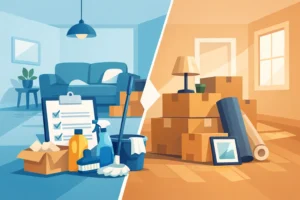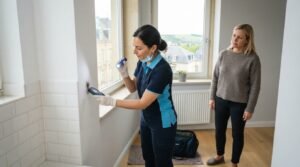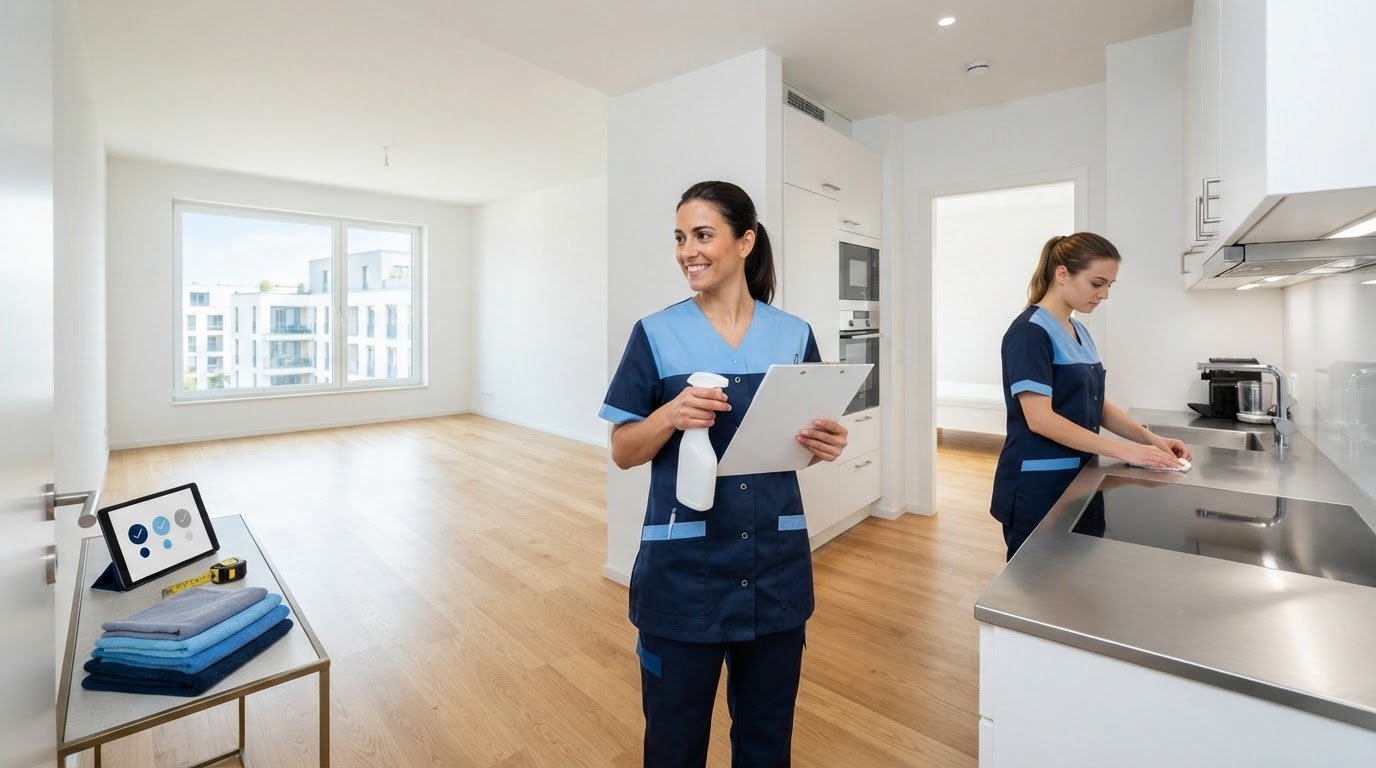
The end-of-tenancy cleaning cost in Luxembourg depends on the property’s size, condition and the tasks included. A tidy flat with a straightforward cleaning scope needs different work from a home with built-up kitchen grease or extra areas to clean.
A lower quote can look appealing, but the total is only useful when you know what the cleaning covers. It’s reasonable to want a clear figure before moving out, especially when you’re also managing the inspection and handover.
This guide explains how package pricing is structured, which details can change the cost, and how to compare written quotes on equal terms. The price depends on the property and requested scope, and is provided after a quote request; size, condition and additional tasks shape the assessment. You’ll also see what to clarify in a quote so you can plan the clean with fewer surprises.
Key Takeaways
- Compare quotes by the rooms and tasks included, not by the headline total alone.
- Separate ordinary wear from damage by using the move-in and move-out inventories as evidence.
- Identify optional work, such as interior-window cleaning, before comparing the total scope and cost.
- Share the landlord’s check-out checklist and agree on cleaning tasks before work begins.
- Choose a move-out clean when the property needs a focused handover clean; regular cleaning is suited to ongoing household upkeep.
End-of-tenancy cleaning package prices
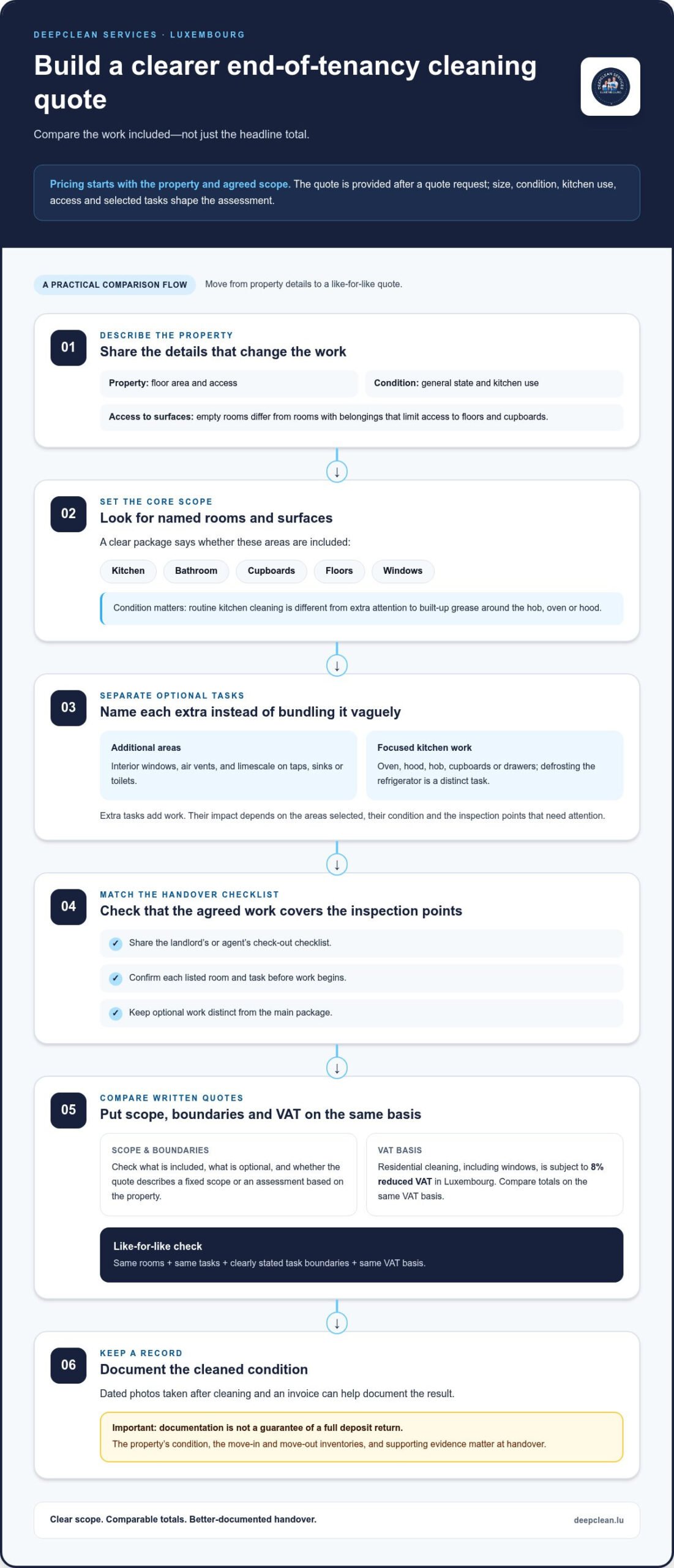
In Luxembourg, the end-of-tenancy cleaning cost depends on the property and the agreed package scope. The price depends on the case and is given after a quote request; floor area, condition, kitchen use, access, and selected tasks shape the quote. Compare the work included, not just the final charge.
A package is easiest to assess when it names the rooms and surfaces covered. Check whether the kitchen, bathroom, cupboards, floors and windows are included. A quote that lists these areas gives you a clearer basis for comparing similar work.
Condition can change the work required. A lightly used kitchen may need routine surface cleaning, while built-up grease around the hob, oven, or hood takes more attention. Empty rooms also differ from homes with belongings still inside, because items can limit access to floors and cupboards.
Read the quote for task boundaries as well as inclusions. It should distinguish the main package from optional tasks, such as interior-window cleaning. Note whether the quote describes a fixed scope or an assessment based on the property. Residential cleaning, including windows, is subject to 8% reduced VAT in Luxembourg, so compare totals on the same VAT basis.
Is professional end-of-tenancy cleaning legally required in Luxembourg? Professional cleaning is not a general legal requirement for handing back a rental home. The property’s condition is assessed against the move-in inventory and the tenancy’s requirements, so a professional clean is one way to prepare, not a guarantee of deposit return.
Luxembourg rental contracts include inventories before move-in and when the tenant leaves and returns the keys. These records help establish the property’s condition and the parties’ responsibilities. If cleaning is charged against a deposit because the home was returned in deteriorated condition, its condition and the supporting evidence matter.
Before choosing a package, match its scope to the landlord’s or agent’s check-out checklist. Check whether each listed room is covered, whether optional tasks are clearly separated, and whether the quote shows VAT. Dated photos taken after cleaning and an invoice can help document the result, but they don’t guarantee a full deposit return.
Fair wear and tear versus tenant-caused damage
In Luxembourg, the move-in and move-out inventories help establish whether a change reflects ordinary wear and tear or tenant-caused damage. The lease and the documented condition of the property guide the handover standard; hiring a professional cleaner does not itself guarantee acceptance.
Every rental contract includes two inventories: one before the tenant moves in, and another when the tenant leaves and returns the keys. Compare their descriptions room by room. A faded patch of flooring present at move-in differs from a fresh scrape recorded only at move-out. Signed inventories are important evidence, although other evidence may also matter.
Wear and tear describes gradual changes from ordinary use. Slight carpet flattening in a walkway or minor fading from daylight can develop during normal occupation. Tenant-caused damage is different: a broken cupboard hinge, a deep scratch or a stained wall from an avoidable spill may point to specific harm. The inventory and supporting evidence help distinguish these situations.
Cleaning condition also matters. A kitchen with ordinary signs of use is not automatically equivalent to one left with thick, greasy residue across the hob and worktops. A landlord or agency may withhold part of the deposit for cleaning if the property is returned in deteriorated condition. The comparison should focus on the recorded state, not a demand for a newly renovated home.
For a deposit deduction linked to damage, evidence is important. Keep the signed inventories, dated photographs, messages about reported issues and relevant invoices together. Photos taken before moving out can show the condition of a wall, appliance or floor. A cleaning invoice can document work completed, but neither an invoice nor photographs guarantee the full deposit’s return.
Luxembourg’s residential lease law is the law of 21 September 2006, amended by the law of 23 July 2024, which came into force on 1 August 2024. Since the 2024 reform, the rental deposit cannot exceed two months’ rent. A landlord must justify a deposit deduction within one month of the keys being returned. Outstanding rent or service charges may also affect the deposit, depending on the circumstances.
Before the inspection, separate cleaning from repairs. Remove greasy kitchen residue, then list damage such as a cracked tile independently. This makes the handover record clearer and avoids treating every mark as a cleaning issue. For a structured move-out clean, documented cleaning for the handover can support a clear record of the property’s condition.
Optional cleaning tasks and their effect on duration and total cost
Optional tasks add specific work beyond the main room-by-room clean. Their impact depends on the areas selected, their condition and the check-out points that need attention.
Optional cleaning tasks
Optional cleaning tasks are additional jobs chosen to address particular surfaces or appliances. In Luxembourg, examples include interior windows, air vents, and limescale on taps, sinks, or toilets. These points can matter if the landlord’s inspection checklist names them or visible residue remains. Listing each task separately helps distinguish requested extras from the core cleaning scope.
Kitchen appliances may also need focused attention. Cleaning an oven, hood, hob, cupboards, or drawers can involve more detail than wiping accessible surfaces. Defrosting the refrigerator is another distinct task, since it needs to be empty before cleaning. Note these items individually when describing the property to a cleaning service, rather than grouping them under a vague request for a complete clean.
Effects on cleaning time and total cost
Each extra task adds work, and the surface’s condition affects how much attention it needs. A window with light dust differs from glass with marks across several panes. A tap with minor limescale also differs from one with deposits around its base. Clear descriptions help the quote reflect the actual work rather than assumptions.
Additional work can change both the planned duration and the quoted total. For example, adding several interior windows or a greasy oven may require more time than the main package alone. A very greasy kitchen may incur a surcharge on the per-square-metre deep-clean rate in Luxembourg. Identify such areas early so the scope and charge account for them.
Use the check-out checklist to decide which extras are relevant. If it mentions windows and air vents, include those points in the requested scope. If the refrigerator needs defrosting, make that clear before the appointment. A written list also helps separate cleaning tasks from repairs, such as a damaged cupboard hinge, which needs different work.
Prioritise tasks by inspection relevance and visible condition. For instance, descale bathroom taps and toilets if limescale is present, then note any remaining points. If time is limited, agree on the included tasks before cleaning begins. That keeps the move-out clean focused on the property’s needs and reduces confusion about omitted extras.
Compare quotes only after matching the extras. One quote may cover the main rooms, while another also includes interior windows, appliances, and vents. Put each task beside its inclusion status, then compare totals on the same scope and VAT basis. This makes differences easier to explain without assuming that a lower headline charge covers equivalent work.
Cleaning tasks agreed before work begins
In Luxembourg, an end-of-tenancy cleaning package has no single fixed task list. Agree on the rooms and specific jobs in writing, using the landlord’s check-out checklist to set the scope.
Agreed cleaning work scope
The agreed work scope is the written list of rooms, surfaces and tasks for the clean. It matters because “full clean” can mean different things unless the details are recorded.
For example, specify whether the bathroom shower, taps, sink, and toilet need descaling. In the kitchen, name the worktops, refrigerator, hob, oven, hood, cupboards, and drawers. Include windows and air vents if the check-out checklist calls for them. A room-by-room list makes it easier to identify omissions before the move.
Give the landlord’s or agent’s check-out checklist to the cleaning service before work begins. Turn each point into a clear task, such as “clean inside the oven” or “remove limescale from shower fittings.” If the checklist mentions windows, state whether it means interior glass. Clear wording helps avoid disagreement over whether a task was part of the agreed service.
Record the property’s condition and access details too. For instance, note whether the refrigerator will be empty and defrosted, and whether cupboards will be cleared. These details affect which surfaces are accessible. If boxes remain during the move, specify whether the cleaner can reach the floor and furniture edges.
Services included in a cleaning package
A cleaning package covers the tasks agreed for the property, not every possible cleaning job. That distinction matters because appliances, windows and other detailed points may need separate attention.
A practical scope can include kitchen worktops, the refrigerator, hob, oven, cupboards and drawers. It can also cover bathroom fixtures, including taps, sinks, toilets and shower surfaces. List floors and accessible surfaces by room so the written agreement reflects the property and check-out requirements.
Before confirming the scope, separate routine cleaning from extra or repair work. Removing limescale from a tap is a cleaning task; fixing a leaking shower fitting is a repair. Likewise, cleaning a cupboard differs from repairing a damaged hinge. This distinction helps prevent disputes about what the cleaning charge covered.
The price depends on the property and requested tasks; size, condition and selected work shape the assessment. A written scope lets you compare quotes for the same work. Keep a copy with the move-out checklist, then use it to review completed tasks before handover.
Comparing written cleaning quotes
Compare written quotes using the same property details and task list. The end-of-tenancy cleaning cost in Luxembourg depends on the agreed scope, condition and selected extras, so a lower total alone doesn’t show which quote covers comparable work.
Start with the basics: property size, rooms, condition and whether it will be empty. Then match each quote to the landlord’s inspection checklist. For example, one quote might include cleaning the toilet and shower but exclude interior windows. Another might include those windows while leaving appliance interiors outside its scope.
Look for specific descriptions instead of broad labels such as “complete clean.” A useful quote identifies the rooms and tasks, then makes optional work clear. Compare details such as kitchen cupboards, oven, refrigerator, bathroom fixtures, floors and windows. If a task is absent from the written scope, don’t assume the total includes it.
Use a comparison list to make differences visible:
- Property details, including floor area, room count, and occupancy during cleaning.
- Named tasks for each room, such as descaling the shower or cleaning inside the oven.
- Optional items, including interior windows, vents, and heavily soiled surfaces.
- Price basis, VAT treatment, and any stated exclusions or additional charges.
Check VAT before comparing totals. Cleaning private dwellings, including their windows, is subject to Luxembourg’s 8% reduced VAT rate. A quote may display a net amount and a separate VAT amount, or show a total including VAT. Compare like with like, and make sure the displayed total reflects the same tax basis.
Condition can explain differences between quotes. A greasy kitchen, limescale around bathroom fittings or rooms filled with belongings can require different work from an empty, well-maintained flat. Give each cleaning service the same accurate description. That gives each estimate a fair basis without treating different scopes as equivalent.
Check how the quote handles changes to the agreed work. For example, if an oven interior or several windows need extra attention, the written terms should clarify whether that task is included or charged separately. A clear scope also helps distinguish cleaning from repairs, such as a broken handle, before the rental inspection.
The price depends on the property, its condition, and selected tasks, and is given after a quote request. For a written estimate based on your move-out cleaning needs, request a cleaning quote with the property details and task list.
Deepclean Services: Regular Cleaning
Deepclean Services can prepare a property for handover with its Moving In / Out Cleaning service. It suits tenants who want a focused clean before the final inspection, while Regular Cleaning supports ongoing household upkeep. Deep Cleaning may suit a property needing more intensive attention; One-Time Basic Cleaning is another option for a one-off clean.
The price depends on the property and requested tasks, and is provided after a quote request. Share the rooms, condition, and relevant check-out requirements so the cleaning scope reflects your move. A written task list also helps you understand what the requested service covers.
Contact Deepclean Services or visit deepclean.lu to discuss your cleaning needs.
Make your move-out plan with confidence
Use your next step to turn the inspection requirements into a practical cleaning plan. Keep the check-out list accessible, note any areas needing extra attention, and schedule the clean around your handover. A clear scope makes it easier to plan the work and understand the end-of-tenancy cleaning cost in Luxembourg. The price depends on the property and requested tasks, and is given after a quote request.
Deepclean Services offers Regular Cleaning, One-Time Basic Cleaning and Deep Cleaning for different household needs. For a property being handed over, its Moving In / Out Cleaning service is the relevant option. Choose the support that fits the work ahead, whether you need a focused move-out clean or help with ongoing upkeep.
Share your cleaning needs and property details to discuss the next step. Contact Deepclean Services about your cleaning, and move towards handover with a clear plan.
Frequently Asked Questions
How much does cleaning cost in Luxembourg?
Cleaning costs in Luxembourg depend on the property, its condition and the work included. A routine clean differs from a move-out clean involving appliances, windows or heavy kitchen residue. To plan a budget, define the rooms and tasks first, then compare quotes using the same scope and VAT basis. This is more useful than relying on broad service labels alone.
How can you avoid a deduction from your rental deposit?
Return the property in the condition required by your lease, allowing for ordinary wear and tear. Before handover, compare your notes and photographs with the signed move-in inventory. Remove belongings, check appliances and bathroom fixtures, and record existing damage in writing. These steps create a clear record of the property’s condition. Deposit decisions depend on the tenancy circumstances and the evidence available.
No time for the end-of-lease clean?
If moving tasks leave little time for cleaning, a dedicated move-out service can handle the agreed work. Deepclean Services offers Moving In / Out Cleaning for this purpose. Share the property details and check-out requirements so the cleaning scope reflects the handover needs. Keep repairs, rubbish removal and cleaning distinct in your plans, since they involve different tasks.
Why is the cleaning taking place before the inspection important?
Cleaning before the inspection lets the landlord assess the property after the agreed work is complete. It also gives you time to notice missed areas, such as a dusty shelf or residue around a tap, and document the finished condition. Keep dated photographs and the cleaning invoice with your handover records. These materials can help clarify what work was completed if a cleanliness dispute arises.
What is the average end-of-tenancy cleaning cost in Luxembourg?
The end-of-tenancy cleaning cost in Luxembourg varies with floor area, condition and package scope. A flat needing routine attention differs from a larger home with a heavily used kitchen or extra tasks. Treat a market estimate as a starting point, not a quote for your property. A written estimate based on the rooms and requested work is more useful for planning.
How much does move-out cleaning cost by apartment size in Luxembourg?
Apartment size affects the surface area and work involved, but it doesn’t determine the quote by itself. A compact flat with substantial grease or limescale may need more detailed attention than a larger, well-maintained property. Describe the rooms, condition and requested tasks together. This gives a clearer basis for estimating the scope than floor area alone.
How much extra do oven, windows, carpets, and balcony cleaning cost in Luxembourg?
Extra-task charges depend on which items are included and their condition. An oven with baked-on residue, marked interior windows, stained carpet or a dirty balcony each requires a distinct scope. List every requested task in the written quote instead of grouping them under a vague “extras” label. That makes the total easier to understand and compare with the inspection requirements.
Do Luxembourg cleaning companies charge by the hour or offer fixed-price packages?
Cleaning quotes can use hourly pricing or a fixed scope. An hourly quote ties the charge to time spent, while a package defines agreed tasks and scope. Compare what each covers, such as appliances, windows and bathrooms, alongside its VAT treatment. The end-of-tenancy cleaning cost in Luxembourg is easier to assess when the quote explains the work and how changes to the scope affect the charge.